
Mostrando entradas con la etiqueta 4th grade. Mostrar todas las entradas
Mostrando entradas con la etiqueta 4th grade. Mostrar todas las entradas
sábado, 26 de noviembre de 2011

martes, 15 de noviembre de 2011
Must, Adjetivos
Must
Usamos Must para referirnos a una recomendación de peso o una necesidad.
You must pay attention in class. (Debes prestar atención en clase)
You must write the examples on your notebook to study later at home. (Debes escribir los ejemplos en tu cuaderno para luego estudiar en casa)
You must listen to the teacher. (Debes escuchar al profesor)
Usamos Mustn't para referirnos a algo que está prohibido. (ya sea por ley o reglamento en este caso del colegio)
You mustn't cheat at tests. (No debes copiar en las pruebas. Esta en el reglamento)

 You must wash your hands before lunch.
You mustn't listen to your parents.
You must break the windows at school.
You must take a shower every day.
You mustn't eat fruit and vegetables every day.
You must eat lots of sweets if you want to lose some weight.
You must feed your dog every day.
You must wash your hands before lunch.
You mustn't listen to your parents.
You must break the windows at school.
You must take a shower every day.
You mustn't eat fruit and vegetables every day.
You must eat lots of sweets if you want to lose some weight.
You must feed your dog every day.
Create a sentence using MUST or MUSTN'T with every picture
Cree una oración usando MUST o MUSTN'T con cada imagen.

ONLINE
ADJETIVOS
El adjetivo lo utlizamos para describir.
Good:
He is good at Math. (Él es bueno en matemáticas)
El comparativo lo utilizamos para comparar entre dos o más cosas o personas.
Better:
He is better at English than at Math. ( Él es mejor en ingles que en matemática)
El superlativo lo utilizamos para hablar sobre el con mayor grado de esa cualidad.
Best:
He is the best at Math. (Él es el mejor en matemática)
Tara is the best athlete in the school.
You must have a permit to enter the national park. (Debes tener permiso para entrar al parque nacional)
Usamos Must para referirnos a una recomendación de peso o una necesidad.
You must pay attention in class. (Debes prestar atención en clase)
You must write the examples on your notebook to study later at home. (Debes escribir los ejemplos en tu cuaderno para luego estudiar en casa)
You must listen to the teacher. (Debes escuchar al profesor)
Usamos Mustn't para referirnos a algo que está prohibido. (ya sea por ley o reglamento en este caso del colegio)
You mustn't cheat at tests. (No debes copiar en las pruebas. Esta en el reglamento)
PRACTICA!
True or false
or false You must wash your hands before lunch. You mustn't listen to your parents. You must break the windows at school. You must take a shower every day. You mustn't eat fruit and vegetables every day. You must eat lots of sweets if you want to lose some weight. You must feed your dog every day.
Complete the sentences with must or mustn't.
Complete las oraciones con must or mustn't.

You __________ brush your teeth three times a day.
You __________ forget to do your homework regularly.
You __________ be nice to your classmates.
You __________ wear warm cothes when it is cold outside.
You __________chew gum in class.
You __________ study hard if you want to pass your exams.
You __________ fight with your classmates.
You __________ play football in the classroom.
You __________ listen to your teacher very carefully.
You __________ forget your best friend's birthday.
You __________ be rude to your grandparents.
You __________ go to the dentist's twice a year.
You __________ stay in bed when you are ill.
You __________ feed zoo animals.
You __________ do your online exercises.
Create a sentence using MUST or MUSTN'T with every picture
Cree una oración usando MUST o MUSTN'T con cada imagen.

ONLINE
ADJETIVOS
En el uso de adjetivos, al igual como en los verbos, tenemos algunos que son irregulares, quiere decir que cambian en sus distintas formas y no se cumple la norma general en ellos.
| Irregular Comparative and Superlative Forms | ||
| good | better | best |
| bad | worse | worst |
Adjective: bueno (good)
Comparative: mejor (better)
Superlative: el/la mejor (best)
Adjective: malo (bad)
Comparative: peor (worse)
Superlative: el/la peor (the worst)
El adjetivo lo utlizamos para describir.
Good:
He is good at Math. (Él es bueno en matemáticas)
El comparativo lo utilizamos para comparar entre dos o más cosas o personas.
Better:
He is better at English than at Math. ( Él es mejor en ingles que en matemática)
El superlativo lo utilizamos para hablar sobre el con mayor grado de esa cualidad.
Best:
He is the best at Math. (Él es el mejor en matemática)
Tara is the best athlete in the school.
martes, 18 de octubre de 2011
Posesivos y Miembros de la familia
Miembros de la familia


This is MY house. This house is MINE.
This is YOUR house. This house is YOURS.
This is HIS house. This house is HIS.
This is ITS house. This house is ITS.


Recuerde que Grandad y grandfather significan lo mismo. De la misma forma que grandma y grandmother.
Tareas:
Posesivos:


This is MY house. This house is MINE.
This is YOUR house. This house is YOURS.
This is HIS house. This house is HIS.
This is ITS house. This house is ITS.

lunes, 10 de octubre de 2011
Exito
Un gran saludos a todos mis alumnos y alumnas del 4to Básico que rinden esta semana el SINCE, exito y den lo mejor de ustedes.
Un abrazo.

Un abrazo.

lunes, 3 de octubre de 2011
Urgente Prueba de Cuarto
La evaluación sobre la familia y los posesivos NO SE HARA este miércoles debido a muchas razones, entre ellas el retraso en las disertaciones lo que nos impide tener a lo menos dos clases de repaso, la rendicion del SIMCE la proxima semana. Por lo tanto se realizará en dos semanas más. La fecha exacta la daré a conocer con al menos una semana de anticipación como es usual.
Saludos, espero entiendan que es mucho mejor de esta forma.
Saludos, espero entiendan que es mucho mejor de esta forma.
jueves, 22 de septiembre de 2011
Cuarto URGENTE!
Les comunico que por problemas de ultimo minuto la disertación NO será mañana. Por lo tanto, mañana deberán practicar o prepararla en clases. (Traer cartulina, plumon y recortes o dibujos o fotos de miembros de la familia)
La disertación será evaluada el miércoles 28 de Septiembre.
domingo, 4 de septiembre de 2011
Prueba 4to basico
Les recuerdo que este Jueves se realizara la evaluación de las Wh words (when, what, where, how, who, why, how many), los países (asociar bandera al país) y preferencias (like, love, dislike, don't like, hate).
Como es usual se evaluará vocabulario y aplicación de los contenidos.
Esperando tengan una buena semana,
Atentamente
Lesly Albornoz
Links:
Wh words
Match the wh word and the answer
Guia para estudiar
United Kingdom Flag
lunes, 8 de agosto de 2011
Test
Remember the test about the verbs you had to study. It's going to be similar to the previous test about verbs in past. Use your latest test to study too.
lunes, 11 de julio de 2011
Verbs to Study
List of verbs to study:
- BE --- WAS / WERE
- BECOME --- BECAME
- BEGIN--- BEGAN
- BITE --- BIT
- BREAK --- BROKE
- BUY --- BOUGHT
- BURN --- BURNT
- BUILD --- BUILT
- CATCH --- CAUGHT
- COME --- CAME
- COST --- COST
- CUT --- CUT
- DO --- DID
- DRINK --- DRANK
- DRAW --- DREW
- DREAM --- DREAMT
- DRIVE --- DROVE
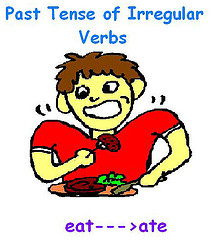
- EAT --- ATE
- FALL --- FELL
- FLY --- FLEW
- FIGHT --- FOUGHT
- FORGET --- FORGOT
- GIVE --- GAVE
- GO --- WENT
- HAVE --- HAD
- HEAR --- HEARD
- HIT --- HIT
- HURT --- HURT
- KEEP --- KEPT
- KNOW --- KNEW
- LEARN --- LEARNT
- LOSE --- LOST
- LEND --- LENT
- MAKE --- MADE
- MEET --- MET
- PAY --- PAID
- PUT --- PUT
- READ --- READ
- RIDE --- RODE
- RUN --- RAN
- SAY --- SAID
- SEE --- SAW
- SPEAK --- SPOKE
- SELL --- SOLD
- SEND --- SENT
- SHOW --- SHOWED
- SING --- SANG
- SIT --- SAT
- SLEEP --- SLEPT
- SWIM --- SWAM
- TAKE --- TOOK
- TEACH --- TAUGHT
- TELL --- TOLD
- THINK --- THOUGHT
- UNDERSTAND --- UNDERSTOOD
- WIN --- WON
- WRITE --- WROTE
domingo, 3 de julio de 2011
Oral Report
Rememer the oral reports are from this Wednesday 6th on. You have to talk about the singer or group (Name, real name, date of bith, place of birth, time singing, most famous songs) and you have to sing a song.
This is the rubric:

This is the rubric:

domingo, 19 de junio de 2011
Verbs for this week
List of verbs to study:
- BE --- WAS / WERE
- BECOME --- BECAME
- BITE --- BIT
- BREAK --- BROKE
- BUY --- BOUGHT
- BUILD --- BUILT
- COME --- CAME
- CUT --- CUT
- DO --- DID
- DRINK --- DRANK
- EAT --- ATE
- FALL --- FELL
- FLY --- FLEW
- GIVE --- GAVE
- GO --- WENT
- HURT --- HURT
- LEARN --- LEARNT
- MAKE --- MADE
- READ --- READ
- RUN --- RAN
- SEE --- SAW
- SPEAK --- SPOKE
- TEACH --- TAUGHT
- THINK --- THOUGHT
- WIN --- WON
sábado, 11 de junio de 2011
4th Grade Oral Reports
For the parents: Todos los alumnos que no hicieron su disertación sobre un personaje famoso en las fechas señaladas deben presentarse como última posibilidad este lunes 13 a las 16:15 horas en la sala de Quinto Básico. No existirá otra oportunidad en clase.
Do your best!
Do your best!
viernes, 10 de junio de 2011
Irregular Verbs
Here you have a list of irregular verbs to study.
4th Grade: Remember to finish your cards.
5th Grade: you have to study this because you need to know.

Printable list:
CLICK HERE
4th Grade: Remember to finish your cards.
5th Grade: you have to study this because you need to know.

Printable list:
CLICK HERE
jueves, 2 de junio de 2011
Oral Reports
For the parents: Les recuerdo que los estudiantes de 4to básico realizaron una disertación en clase sobre algún personaje famoso siendo requisito que la información además de obviamente estar en inglés debe estar en pasado. Esta presentación se evaluará mañana Viernes 3 de Junio, el día Miércoles 08 y Jueves 09 (fechas impostergables).
Rúbrica:

Rúbrica:

domingo, 22 de mayo de 2011
Daily Routine Verbs
WAKE UP:


I wake up at six o'clock. He wakes up at half past six.
GET UP

I get up at six o'clock. He wakes up at a quarter past six.
TAKE A SHOWER:

I take a shower at half past six. He takes a shower at seven o'clock.
COMB (MY) HAIR

I comb my hair at ten to seven. She combs her hair at seven o'clock.
GET DRESSED

I get dressed at seven o'clock. He gets dressed at five past seven.
HAVE BREAKFAST

I have breakfast at a quarter to eight. He has breakfast at half past seven.
BRUSH (MY) TEETH

I brush my teeth at five to eight. He brushes his teeth at a quarter to eight.
MAKE UP ( or PUT ON MAKE UP)

I put on make up at ten to eight. She puts on make up at ten o'clock.
I make up at ten to eight. She makes up at ten o'clock.
GO TO SCHOOL

I go to school at eight o'clock. She goes to school at ten past eight.
HAVE LUCH
I have lunch at half past one. He has lunch at ten to two.
GO BACK HOME

I go back home at six o'clock. She goes back home at a four o'clock.
DO THE HOMEWORK

I do the homework at ten past six. He does the homework at twenty past four.
WATCH TV

I watch T.V at seven o'clock. He watches TV at ten past five.
HAVE DINNER

I have dinner at eight o'clock. She has dinner at ten to eight.
GO TO BED

I go to bed at ten o'clock. He goes to bed at half past nine.
GET UNDRESSED
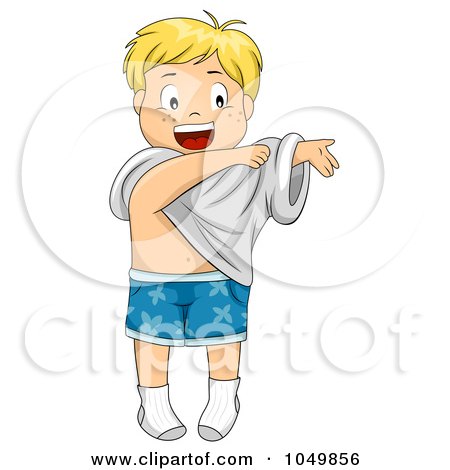
I get undressed at ten to ten. He gets undressed at twenty past nine.
jueves, 19 de mayo de 2011
The time
For the parents:
 Downloads:
The Time Activities
Clocks activity
Snapdragon from BBC - Telling the time
En inglés se dicen primero los minutos y luego la hora: It's ten past two (Son las dos diez.)
Cada vez que utilizamos minutos que se ubican en el reloj entre el minuto uno y los treinta usamos la expresión PAST. It's five past three (3:05). It's twenty past four (4:20).
Pero cada vez que se encuentra entre 31y 59 minutos utilizamos la expresión TO. It's five to three (2:55). It's twenty to four (3:80).
Las medias horas se expresan con HALF mas la expresión PAST. It's half past two (2:30).
Quince minutos se expresa A QUARTER y se agrega TO o PAST dependiendo de si nos referimos a quince minutos o cuarenta y cinco. It's a quarter past two (2:15). It's a quarter to three (2:45).
Las horas en punto se expresan con O'CLOCK. It's one o'clock (1:00). It's four o'clock (4:00).

The Time Activities
Clocks activity
Online:
Time GameSnapdragon from BBC - Telling the time
martes, 17 de mayo de 2011
Daily Routine, Simple Present Tense
Here you have two different songs using daily routine and simple present.
viernes, 13 de mayo de 2011
Homework 4th Grade
Write your routine and your friend's routine including the hour and using the verbs from the latest worksheet about daily routine verbs.
ex:
I wake up at seven o'clock. Camilo wakes up at half past six.
If you don't remember the hour, here you have a clock:
7:00: at seven o'clock.
3:30: at half past three.
4:15: at a quarter past four
2:10: at ten past two
3:45: at a quarter to four
5:50: at ten to six
ex:
I wake up at seven o'clock. Camilo wakes up at half past six.
If you don't remember the hour, here you have a clock:
7:00: at seven o'clock.
3:30: at half past three.
4:15: at a quarter past four
2:10: at ten past two
3:45: at a quarter to four
5:50: at ten to six
viernes, 6 de mayo de 2011
Present Simple
In spanish: El presente simple es el tiempo verbal más simple del inglés. Se suele utilizar para hablar sobre hechos que constituyen hábitos o costumbres. La única dificultad está en la 3ª persona del singular "he", "she", "it" o cualquier sustantivo propio que lo reemplaze. Como regla general se añade s, pero en algunos casos, que deben mantener siempre en mente, se añade es.
Cuando el verbo acaba ya en s, o, sh, ch, x agregamos ES.
In English: Here you have some worksheets about daily routines and present simple to download.
Daily Routine Slide (powerpoint)
Daily Routine Vocabulary Black and White
Daily Routine Vocabulary
Cuando el verbo acaba ya en s, o, sh, ch, x agregamos ES.
watch -> watches
go -> goes
do -> does
Y Cuando el verbo acaba en y, y a ésta le precede una consonante, tenemos que cambiar la y por i, para a continuación añadir es: fly -> flies
study -> studies In English: Here you have some worksheets about daily routines and present simple to download.
Daily Routine Slide (powerpoint)
Daily Routine Vocabulary Black and White
Daily Routine Vocabulary
Suscribirse a:
Entradas (Atom)